

By Sarah Pashaie, UK & HK Registered Dietitian & Sharon Chen, Integrative Nutrition Health Coach from Eat Well Together (EWT)
A London-trained nutrition expert, Sarah Pashaie (eatwellwithsara.com) honed her skills across hospitals, clinics, and community centers—prioritizing sustainable health transformations over quick fixes. Now based in Hong Kong, she empowers individuals to achieve optimal health through science-based professional guidance and empathetic, sustainable lifestyle changes. Sharon Chen (sharonchen.net), a corporate strategist turned global wellness advocate, combines evidence-based nutrition with cultural storytelling. Certified as an INHC, she helps clients transform their health with whole-life strategies that pair mindful eating with stress resilience, energy optimization, and personalized habit design—showing that food-as-medicine thrives with mind-body alignment. Work with Sarah and Sharon: https://eatwelltogether.com/
Introduction
Nutrition provides the fuel, but lifestyle strategies ensure that fuel is used correctly to protect your metabolism and bones.
A protein intake of 1.2g/kg plus resistance training 2-3x weekly helps prevent sarcopenia (muscle loss) and supports metabolic rate. Creatine supplementation (3-5g daily) can further enhance muscle strength, recovery, and cognitive function during menopause, this is particularly valuable when paired with resistance training. However, creatine should be personalised based on individual health status, dietary patterns, and training goals, with guidance from a healthcare professional.
Carb-load strategically during daylight hours (larger carb portions at breakfast/lunch) rather than evening, and avoid eating within 3 hours of bedtime to optimise insulin sensitivity, melatonin production, and sleep quality.
Weight-bearing exercise also works with nutrition to preserve bone density. Nutrient-dense diets can complement MHT when it is chosen.
Menopausal hormone therapy (MHT) can be an important option for bone protection and symptom relief, but it should be individualised, based on a person's health profile, preferences, and risk factors, and supervised by qualified healthcare professionals.
While these strategies address the physical symptoms, the transition truly flourishes when we address the "terrain" of our stress and environment.
The Adrenal Pivot: Navigating the "Second Spring"
In many Eastern traditions, menopause is called the "Second Spring"—a transition from a life of giving to others to a life of personal power. From a holistic standpoint, the severity of symptoms like hot flashes and night sweats often relates to how we manage our "stress bucket." As the ovaries begin to retire, the adrenal glands take over as the primary source of sex hormone production. If your adrenals are exhausted from years of "hustle culture," this transition can feel rocky.
Supporting the Transition
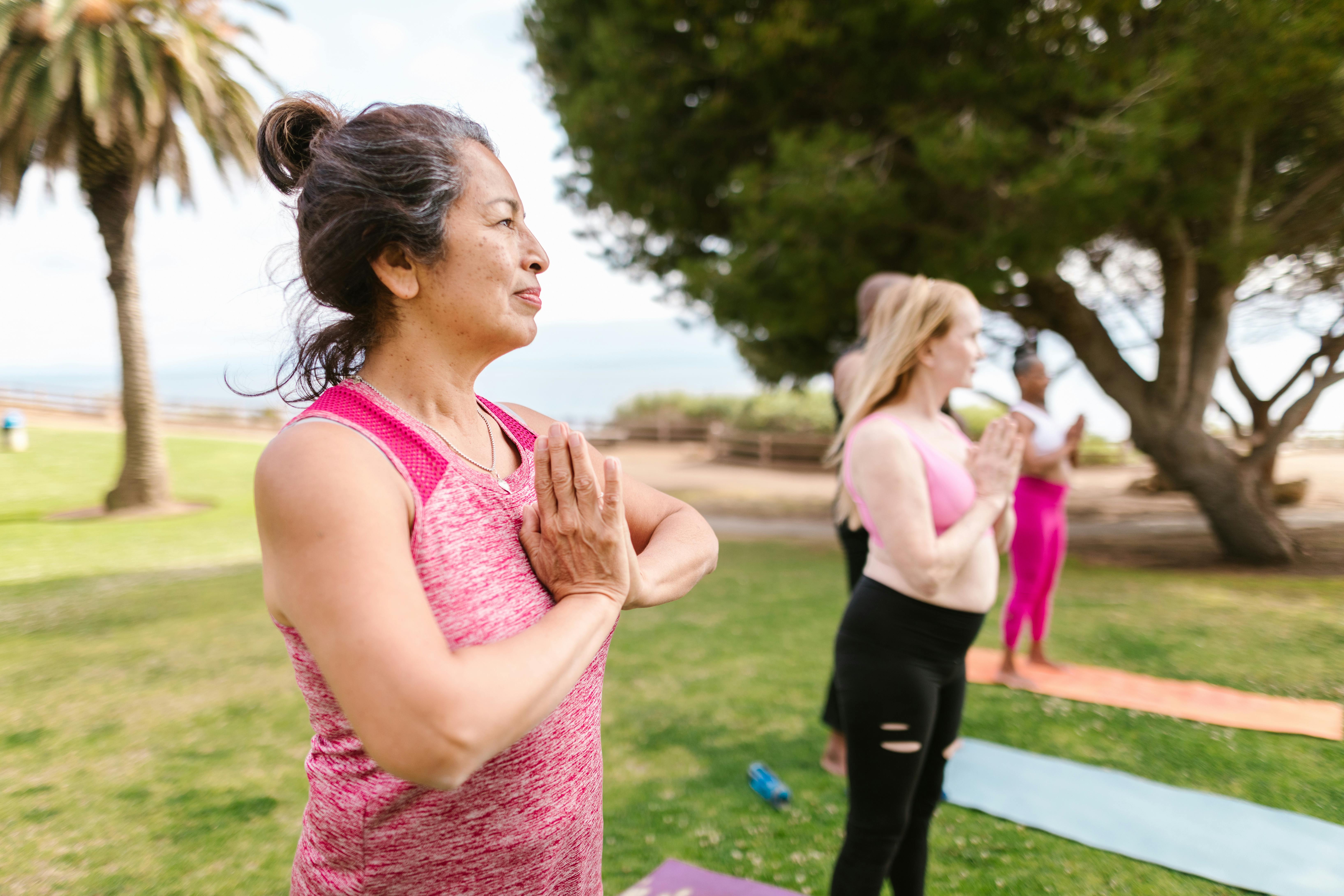
- Adrenal Preservation: This is the time to trade "punishing" workouts for "nourishing" movement. High-intensity cardio can spike cortisol, which actually signals the body to store fat around the midsection during menopause. Instead, focus on functional strength training and restorative movement like Pilates or Tai Chi to support bone density without burning out the adrenals.
- The Liver-Hormone Link: Holistic health emphasizes liver support to help the body process and "clear out" old hormones. Adding "bitter" foods like arugula, dandelion tea, or lemon water helps ensure that estrogen doesn't recirculate in the system, which can alleviate mood swings and breast tenderness.
- The Power of Ritual: Use this phase to audit your lifestyle "toxins"—which include toxic relationships or clutter. Clearing physical and emotional space reduces the total stress load on your body, allowing your hormones to find their new "homeostasis" with grace and ease.
References
American Academy of Nutrition and Dietetics, 2025. Nutrition and Diagnosis-Related Care. 9th ed. Chicago, IL: Academy of Nutrition and Dietetics.
British Dietetic Association, 2021. Top ten nutrition tips for the menopause. Available at: https://www.bda.uk.com/resource/top-ten-nutrition-tips-for-the-menopause.html [Accessed 12 May 2026].
British Menopause Society, 2022. Prevention and treatment of osteoporosis in women. Available at: https://thebms.org.uk/publications/consensus-statements/prevention-and-treatment-of-osteoporosis-in-women/ [Accessed 12 May 2026].
Gaskins, A.J. and Chavarro, J.E., 2021. Diet and fertility: A review and update. Current Opinion in Endocrinology, Diabetes and Obesity, 28(6), pp.579-586.
Santoro, N. et al., 2017. Metabolic syndrome and visceral fat in women with and without menopause: a systematic review. Climacteric, 20(5), pp.406-413.
Smith, R.I. et al., 2021. Creatine supplementation in women's health: a lifespan perspective. Nutrients, 13(3), p.877.