

What is endometriosis?
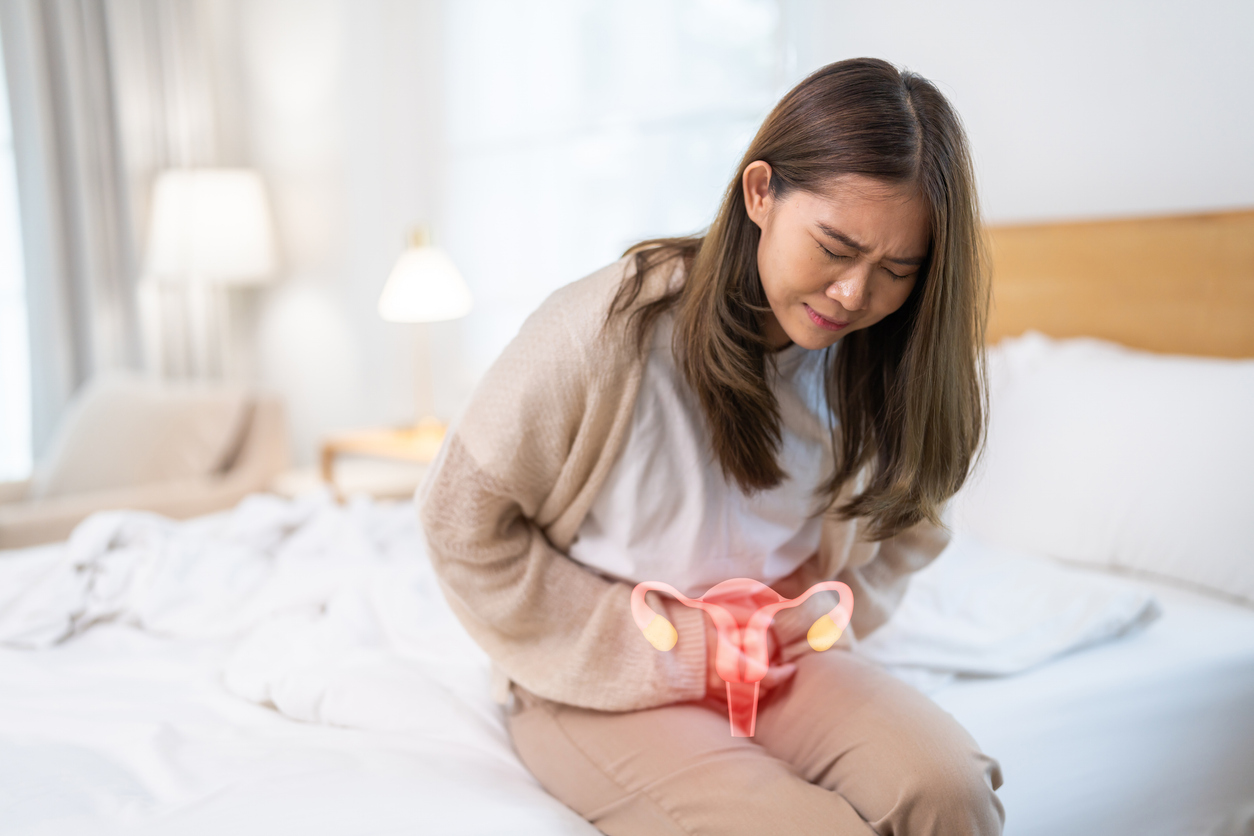
Endometriosis is a medical condition where endometrial-like tissue, which normally lines the inside of the uterus, begins to grow outside of it. This tissue can attach to other organs within the pelvis, such as the ovaries, fallopian tubes, and the outer surface of the uterus. Unlike the endometrial tissue within the uterus, which sheds during menstruation, the tissue outside the uterus has no way to exit the body. This can lead to inflammation, pain, and the formation of scar tissue (adhesions).
Globally, 10% of women suffer from endometriosis and endometriosis was found in 35 to 50% of women who have infertility.
What causes endometriosis?
The exact cause of endometriosis remains unknown, but several theories and contributing factors have been proposed:
- Retrograde Menstruation: One theory suggests that menstrual blood flows backward through the fallopian tubes into the pelvic cavity instead of leaving the body. This blood can implant and grow on pelvic organs.
- Embryonic Cell Transformation: Hormones such as estrogen might transform embryonic cells into endometrial-like cell types during puberty.
- Immune System Disorders: Problems with the immune system may prevent the body from recognizing endometrial-like tissue growing outside the uterus, leading to endometriosis.
- Genetics: A family history of endometriosis can increase the likelihood of developing the condition, suggesting a genetic predisposition.
What are the symptoms of endometriosis?
The symptoms of endometriosis can vary widely among individuals, and some women may have no symptoms at all. Common symptoms include:
- Pelvic Pain: Often associated with menstrual periods but can also occur at other times of the month. Pain may be severe and can affect daily activities.
- Menstrual Irregularities: Heavy menstrual bleeding (menorrhagia) or bleeding between periods.
- Pain During Intercourse: Pain during or after sex is common among women with endometriosis.
- Pain with Bowel Movements or Urination: Particularly during menstrual periods.
- Infertility: Endometriosis can be discovered during investigations for infertility.
- Fatigue, Diarrhea, Constipation, Bloating, and Nausea: Digestive issues can occur due to endometrial tissue affecting the surrounding organs.
How does endometriosis affect fertility?
- Anatomical/Structural Changes: Endometrial lesions and adhesions can cause scarring and anatomical changes in the pelvic organs, which may affect the fallopian tubes and ovaries, hindering egg release and fertilization.
- Inflammation: The presence of endometrial tissue outside the uterus can lead to chronic inflammation in the pelvic cavity, potentially interfering with the implantation of a fertilized egg.
- Immune System Dysfunction: Endometriosis may affect immune responses, creating an environment that is less favorable for conception.
Despite these challenges, many women with endometriosis are able to conceive, either spontaneously or with the help of medical interventions.
What can you do if endometriosis is affecting your fertility?
For women with endometriosis facing infertility, several interventions may be recommended:
- Medications: Fertility drugs to stimulate ovulation and increase the chances of conception.
- Intrauterine Insemination (IUI): A procedure where sperm is directly injected into the uterus around the time of ovulation.
- In Vitro Fertilization (IVF): Involves retrieving eggs from the ovaries, fertilizing them outside the body, and then implanting the embryos into the uterus. IVF may be particularly useful for women with severe endometriosis or significant fertility challenges.