

What Is Preeclampsia?
Preeclampsia affects many pregnancies and demands awareness. Let's break down what it is, its symptoms, risks, and detection methods.
Preeclampsia is a serious pregnancy complication typically starting after 20 weeks in women with previously normal blood pressure. It features high blood pressure, excess protein in urine signaling kidney damage, or other organ issues. Left untreated, it risks severe harm or death to mother and baby. Treatment often involves monitoring, blood pressure medications, and early delivery based on severity and gestation. Postpartum preeclampsia may also emerge after birth.
Key Symptoms to Watch
High blood pressure and proteinuria (protein in urine) define it, but symptoms may be absent until routine checks reveal them. Common signs include low platelets, elevated liver enzymes, severe headaches, vision changes like blurriness or sensitivity, shortness of breath from lung fluid, upper right abdominal pain, and sudden nausea or vomiting. Rapid weight gain or facial/hand swelling beyond typical pregnancy edema can signal trouble.
Pregnancy Impacts and Complications
Preeclampsia restricts blood flow to the placenta, causing fetal growth issues from poor oxygen and nutrients. It raises preterm birth risks, with babies facing breathing, feeding, or developmental challenges. Other dangers include placental abruption, life-threatening HELLP syndrome (hemolysis, elevated liver enzymes, low platelets), eclampsia (seizures or coma), organ damage like kidney or brain injury, and future cardiovascular disease, especially with recurrence or preterm delivery.
Who’s at Risk?
High-risk groups include those with prior preeclampsia, multiple gestation (twins, triplets, or more), chronic hypertension (high blood pressure), pre-pregnancy diabetes, kidney disease, autoimmune issues, or pregnancy via IVF.
Moderate risks include obesity, family history of pre-eclampsia, age 35+, prior complications, or long gaps since last pregnancy.
Diagnosis
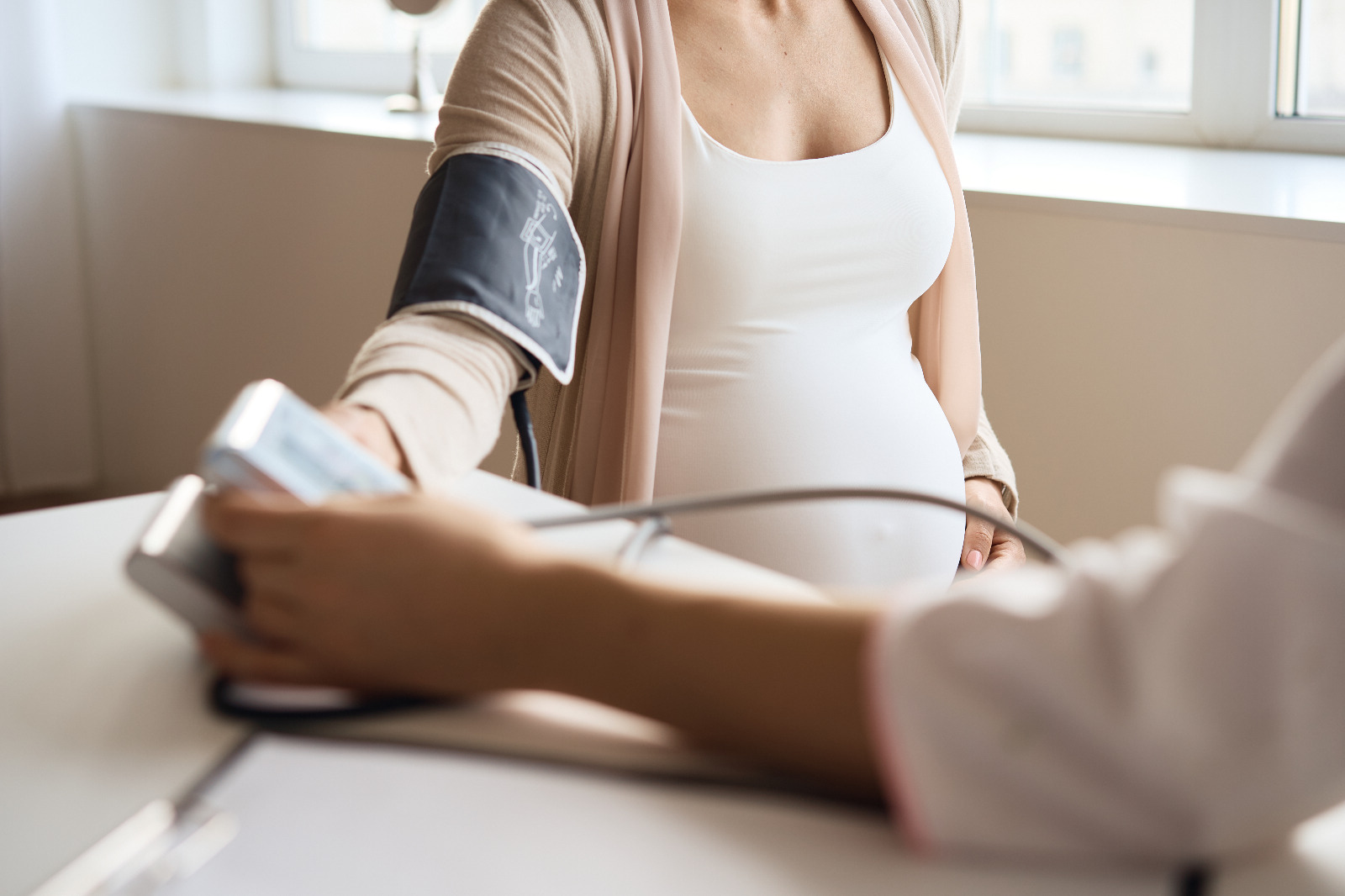
Diagnosis requires high blood pressure (systolic ≥140 mm Hg or diastolic ≥90 mm Hg) after 20 weeks plus proteinuria, low platelets, high liver enzymes, lung fluid, persistent headaches, or vision issues. Providers confirm with repeat readings, blood tests for organ function and platelets, 24-hour or spot urine analysis, fetal ultrasounds for growth and fluid, nonstress tests for heart rate response, or biophysical profiles assessing movement and breathing.
Prevention and Next Steps
Be sure to have regular prenatal visits in order to catch preeclampsia early. If at risk, discuss the appropriate treatment and birth plan with your healthcare provider, such as low-dose aspirin. Stay vigilant of the signs and symptoms—prompt care saves lives. Also, make sure to consult your doctor for personalized advice.