


Introduction
Carrier screening is genetic testing to screen whether you and/or your partner are carriers of any genetic disorders which could be passed on to your child. The test is suitable for premarital or preconception couples, early pregnancy couples, couples or donors using assisted reproductive technology. If you have a family history of hereditary disease, are a pregnant person with multiple miscarriages or losses of pregnancy, or know that you carry recessive disease genes, you should consider getting carrier screening.
It is worth noting that carrier screening is unable to detect all disease-causing mutations for each disease or all known genetic disorders. Furthermore, a normal test result does not guarantee a baby is born healthy.
Who is a carrier?
A carrier is someone who usually has no or only mild symptoms of a disease, carrying one copy of a non-functional gene for a genetic disorder. Because of the lack of symptoms, most people don't know they are carriers prior to screening. Disease-causing variants can be silently passed through generations until an affected child is born by an at-risk couple.
Genetic disorders can be passed down via two ways: autosomal recessive or x-linked recessive.
- Autosomal recessive inheritance (AR): When both parents are carriers of the same mutated gene on an autosome, there is a quarter of the chance that the child will inherit the variant gene from both parents and be affected by the mutation.
- X-linked recessive inheritance (X-LR): When female carriers of an X-linked recessive disorder have a normal X chromosome and an abnormal X chromosome. Male offspring will be affected if the abnormal copy of the X chromosome from his mother is inherited.
What are common conditions that this test screens for?
Here are the common conditions found through carrier screening:
- Thalassemia: a disease affecting the production of haemoglobin in the red blood cells, resulting in chronic haemolytic anaemia
- Cystic fibrosis: a disorder that affects the lungs, pancreas, and other organs that is more commonly found in Caucasians but occasionally in Asians, too
- Fragile X syndrome: a disorder that causes intellectual disabilities, behavioral problems, and physical abnormalities
- Sickle cell disease: a blood disorder that causes misshapen red blood cells, leading to pain, anemia, organ damage, and increased risk of stroke
- Tay-Sachs disease: a rare but fatal disease that results in the destruction of nerve cells in the brain and spinal cord
Expanded carrier screening can further screen for these conditions:
- Hearing impairment: difficulty hearing or deafness
- Phenylketonuria: a rare disorder that affects phenylalanine metabolism
- Wilson's disease: a disorder that causes copper levels to build up in several organs, especially the liver, brain, and eyes
- Congenital adrenal hyperplasia: a group of disorders characterised by impaired cortisol synthesis
- Spinal muscular atrophy: a rare neuromuscular disorder that results in the loss of motor neurons and progressive muscle wasting
Targeted carrier screening can be requested if certain genetic conditions run in your family.
How is carrier screening done?
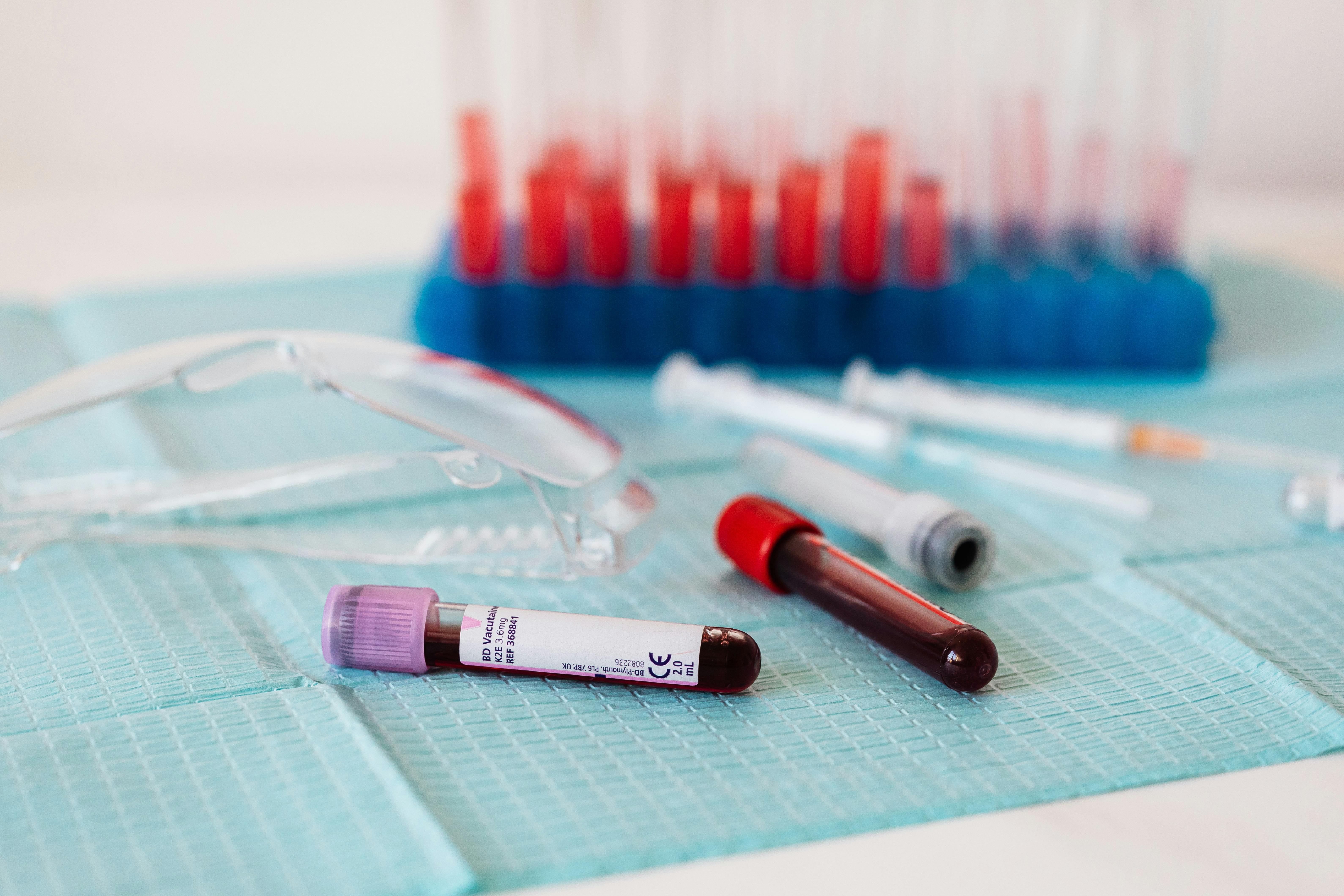
Carrier testing requires your genetic material, which can be found in your blood, saliva, or tissue from inside your mouth. Depending on your situation, you will be asked to do a blood test, saliva test, or tissue test, which involves rubbing a swab on the inside of your cheek.
What if one of us is a carrier?
If carrier screening indicates that you and your partner are carriers of the same disorder(s) before pregnancy, you have several options:
- Get pregnant and have prenatal diagnostic tests to see if the fetus has the disorder
- Use assisted reproductive technologies to reduce the risk of having a baby with the disorder
- Choose not to get pregnant or adopt a child


