


Introduction
If you've been trying to conceive without success, a fertility evaluation can provide valuable insights and guide you toward the best path forward. This quick guide outlines when to consider an assessment and what to expect during testing.
When to consider a fertility evaluation
The general recommendation is to seek a fertility evaluation if you have been actively trying to conceive for:
- One year if the female partner is under 35 years old.
- Six months if the female partner is 35 years or older.
What to expect during testing
Fertility testing typically involves a series of evaluations for both partners:
For the female partner:
- Medical history and physical exam: Review of medical history, menstrual cycles, and a general physical exam.
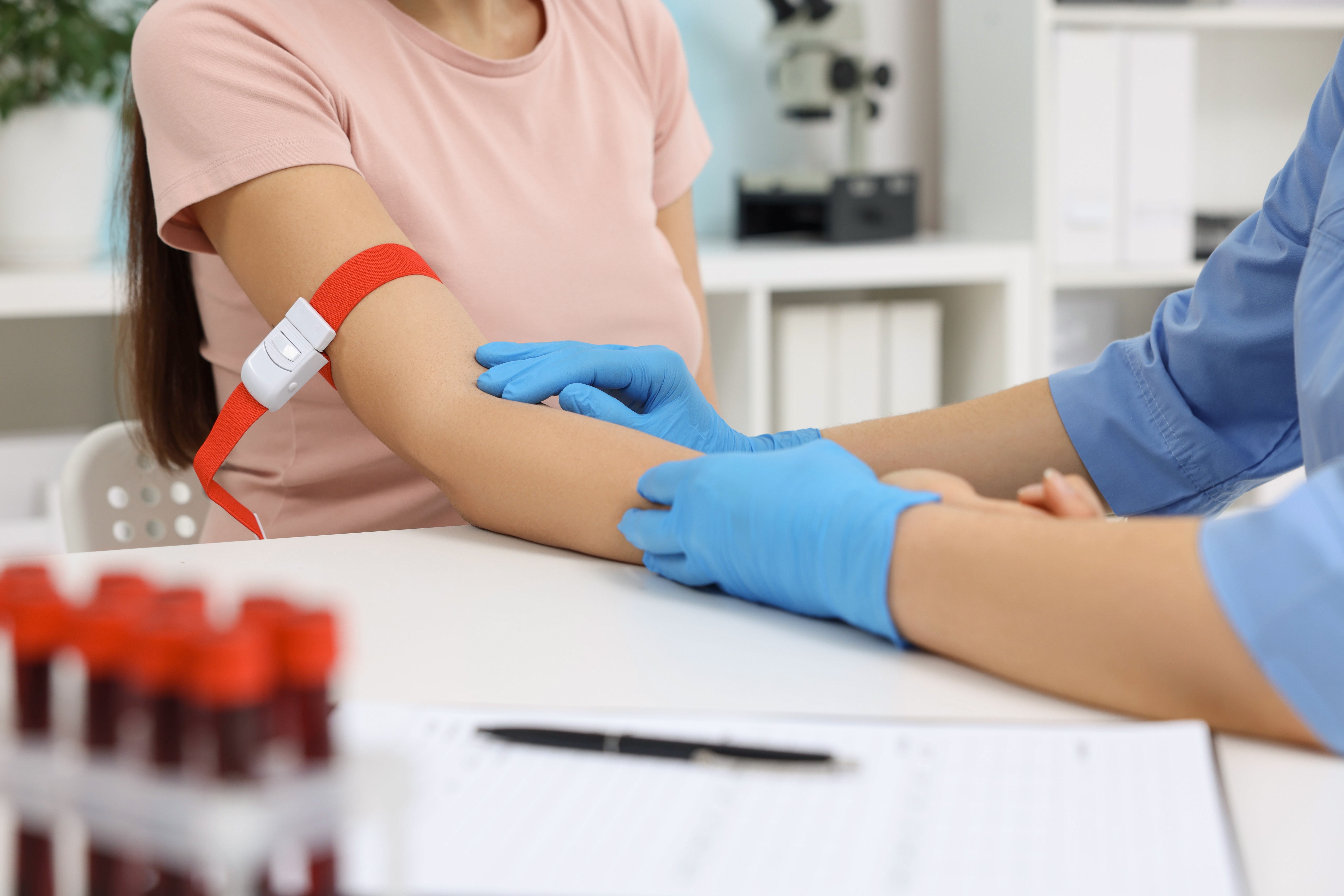
- Ovulation testing: Blood tests (e.g., FSH, LH, estradiol, progesterone) to assess ovulation and ovarian reserve (e.g., AMH).
- Pelvic ultrasound: To examine the uterus, ovaries, and follicles.
- Hysterosalpingogram (HSG): An X-ray procedure to evaluate the uterus and fallopian tubes.
- Other tests: May include thyroid function tests, prolactin levels, or tests for specific conditions like PCOS or endometriosis.
For the male partner:
- Semen analysis: Evaluation of sperm count, motility (movement), morphology (shape), and other parameters.
- Medical history and physical exam: Review of medical history and a physical exam.
- Hormone testing: Blood tests to assess hormone levels (e.g., testosterone, FSH, LH).
- Other tests: May include genetic testing, antisperm antibody testing, or ultrasound of the scrotum.


